A robot with sensory skin has learned to sense a person before touching them
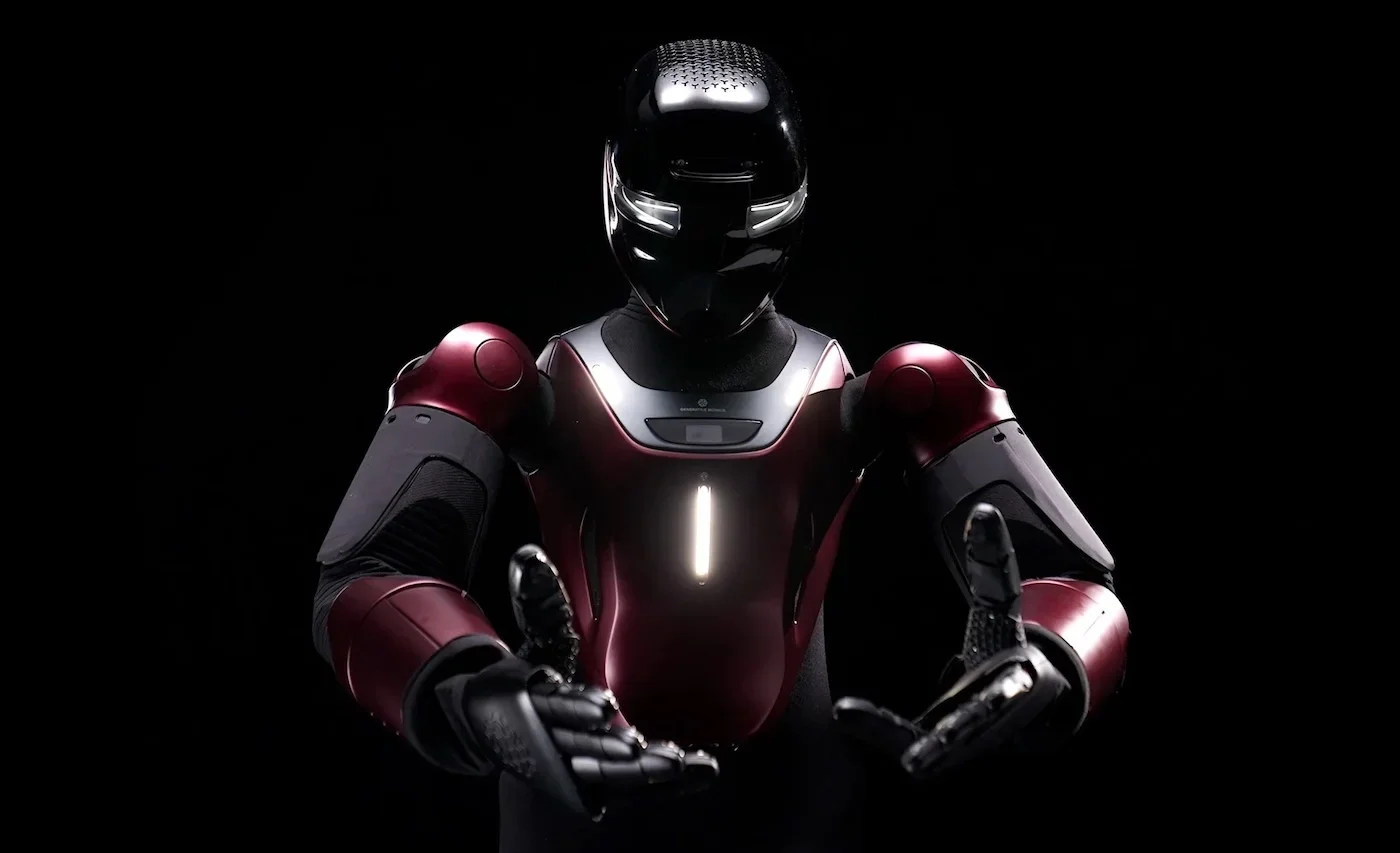
Gene.01's body and limbs are covered with a network of sensors that simultaneously track touch, temperature, distance, and force. This system operates on the principle of human reflex—just as a person would pull their hand away from a hot stove upon sensing heat from a distance—the robot recognizes a person's presence in advance and stops or alters its trajectory.
The haptic skin serves more than just a protective function. The same sensors allow operators to teach the robot new tasks through physical contact. A person can literally guide Gene.01 by the hand, demonstrating the required force when grasping objects. Generative Bionics notes that this solves one of the key challenges in humanoid robotics: finding a balance between a secure hold on an object and gentle handling to avoid damaging fragile parts. This skill is virtually impossible to teach a machine through video alone.
Gene.01 is based on the Physical AI concept, whereby the robot's body, mechanics, and motion control system are designed as a single organism, rather than as a set of hardware components with subsequent software installation. This approach allows for simultaneous tuning of the hardware and control algorithms, taking into account ergonomics and gait stability, using models of both the robot itself and the people with whom it will interact.
Generative Bionics is the base platform for a family of specialized robots. Customization is provided on three levels: adapting the artificial intelligence to a specific task, changing the external design depending on the working environment, and replacing actuators such as arms, grippers, or supports.

Log in to like, dislike, or write your own post.
Comments 0
No comments yet
Log in to leave a comment.